
An integrator or equipment manufacturer can connect a VHP generator directly to an isolator, transfer hatch or closed enclosure. This OEM integration meets the growing demand for automation on aseptic manufacturing lines and laboratory equipment. It requires a precise technical interface between the generator and the host equipment, as well as a good understanding of the customer's production constraints. This article presents the prerequisites for successful OEM integration, the most common use cases and how the Solidfog OEM Kit works.
What is OEM integration?
OEM integration consists of connecting a VHP generator to third-party equipment rather than using it as a standalone floor-mounted unit. The generator becomes part of the overall system and communicates directly with the PLC of the host equipment. This configuration reduces the floor space required, simplifies control of the decontamination cycle for the operator and limits the number of external connections that need to be managed on site.
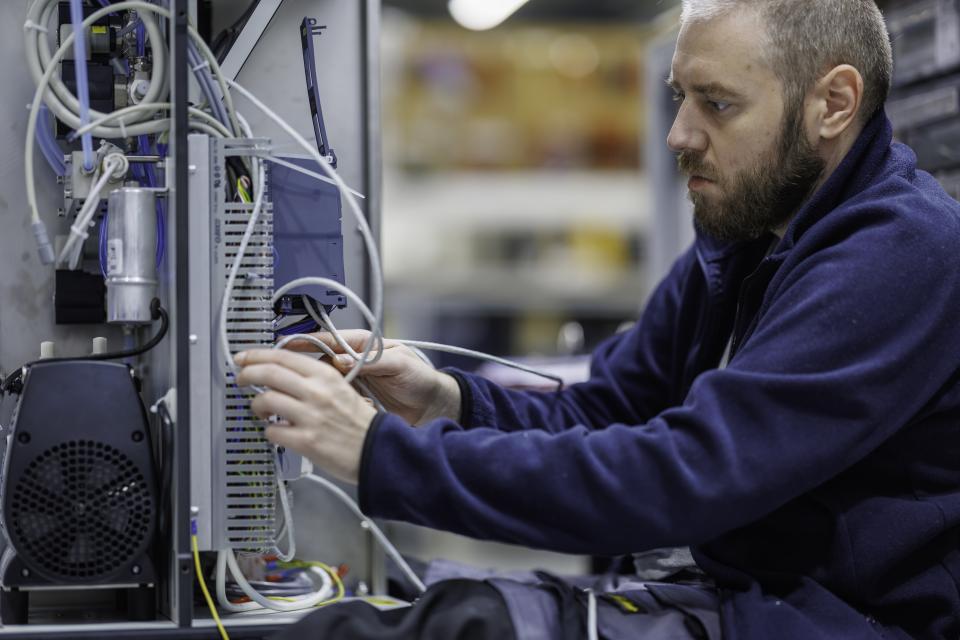
Use cases: isolators, transfer hatches and closed enclosures
Several configurations can benefit from OEM integration:
- Aseptic manufacturing isolators
- Material transfer hatches between areas with different cleanliness classes
- Closed storage or packaging enclosures
- Filling lines under controlled atmosphere
- Weighing and preparation stations in controlled areas
Technical prerequisites for successful OEM integration
Three technical areas form the basis of any OEM integration project.
Communication interface and control
The VHP generator must communicate with the PLC of the host equipment via a standard communication protocol, such as Profinet, Modbus or OPC-UA, depending on the site configuration. This interface transmits the cycle parameters and sends real-time concentration data to the supervisory system. A single control screen simplifies daily operation for the operator without multiplying the number of control interfaces on the line.
Physical connection of the generator
The physical connection covers the electrical power supply, compressed air supply and hydrogen peroxide injection circuit. Each connection must comply with the space constraints of the host equipment, where the available volume is often limited. A precise installation plan, approved in advance with the customer, avoids design modifications once the equipment has been delivered to the site.
Synchronization of cycles with the host equipment
The decontamination cycle must be integrated into the production sequence of the host equipment without creating additional downtime. Precise synchronization between the generator and the PLC limits the impact of the cycle on the overall production rate of the line. This synchronization also covers the management of alarms and emergency stops shared by both systems.
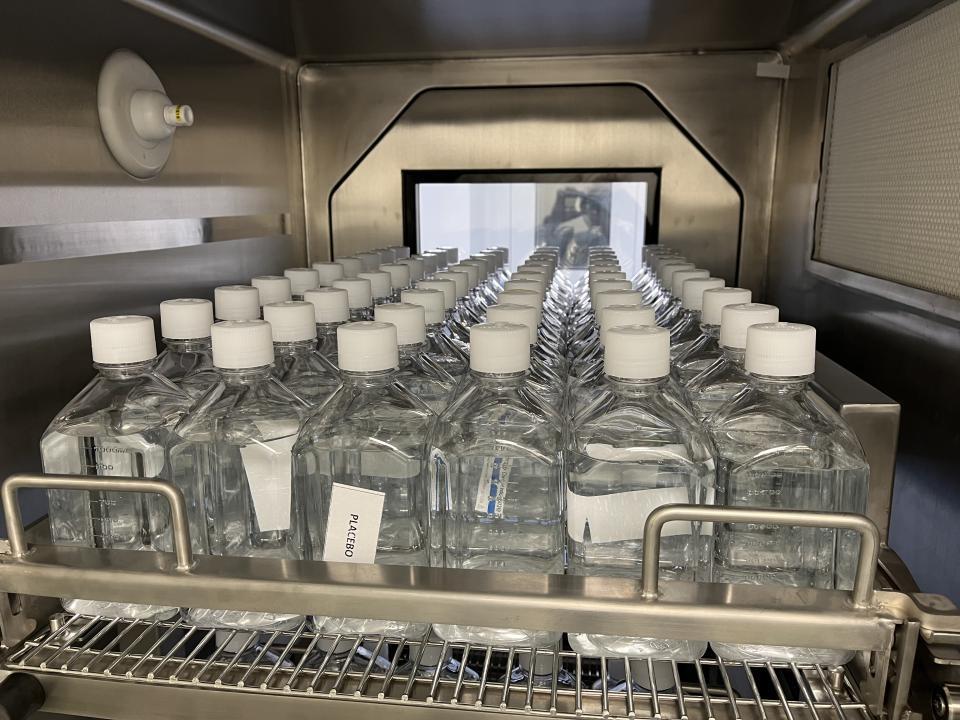
The Solidfog OEM Kit: How it works and its benefits
The Solidfog OEM Kit brings together the components required to integrate a generator into third-party equipment: vaporization module, concentration sensors, neutralization module and communication interface. This kit connects to the PLCs already installed on site and complies with the space constraints of isolators and transfer hatches. The supplier adapts the configuration according to the volume to be treated, the communication protocol used by the customer and the targeted production rate.
The benefits of OEM integration compared with a standalone generator
An integrated generator frees up floor space compared with a standalone unit positioned near the equipment. Centralized control also reduces the number of screens and control points for the operator, which limits the risk of handling errors. Finally, OEM integration facilitates maintenance, as interventions are focused on a single system rather than two separate pieces of equipment connected to each other.
Implementation stages of an OEM project
An OEM integration project follows a multi-stage process. The technical team first analyzes the plans of the host equipment and the available space constraints. It then defines the communication interface and the generator connection point in consultation with the customer's technical department. A test cycle validates the combined operation before final qualification on site under actual production conditions.
Practical example: OEM integration on a filling isolator
An aseptic manufacturing site needs to decontaminate a filling isolator several times a week, between each batch change. A standalone generator would create space constraints around the isolator and slow down personnel movement within the area. Integrating an OEM Kit directly into the isolator solves this space issue and reduces preparation time between two cycles. The VHP cycle is then controlled from the same screen as the other isolator operations, simplifying operator training and reducing the risk of handling errors.
Limitations to anticipate before an OEM project
OEM integration requires full access to the technical drawings of the host equipment, which is not always possible with older or poorly documented equipment. The project may also require specific modifications to existing equipment to accommodate the vaporization module or concentration sensors. A preliminary feasibility study helps avoid unexpected issues and confirms that the project is compatible with the customer's budget and schedule.
Why choose Solidfog for your OEM integration
Solidfog designs and manufactures its VHP generators in-house, allowing the OEM Kit to be adapted directly to the customer's requirements. The technical team supports the project from the analysis of the plans through to the qualification of the integrated cycle, with a single point of contact throughout the entire project.