
Vaporized hydrogen peroxide reacts with certain materials present in a treated area. This reaction can create a risk of corrosion in the medium or long term on surfaces exposed repeatedly, particularly at sites that perform several cycles per week. Choosing suitable materials limits this risk from the design stage of the room or equipment, even before the first installation of a generator. This article presents the materials sensitive to VHP, the areas most exposed and the compatibility tests to perform before deploying a decontamination system.
How hydrogen peroxide affects materials
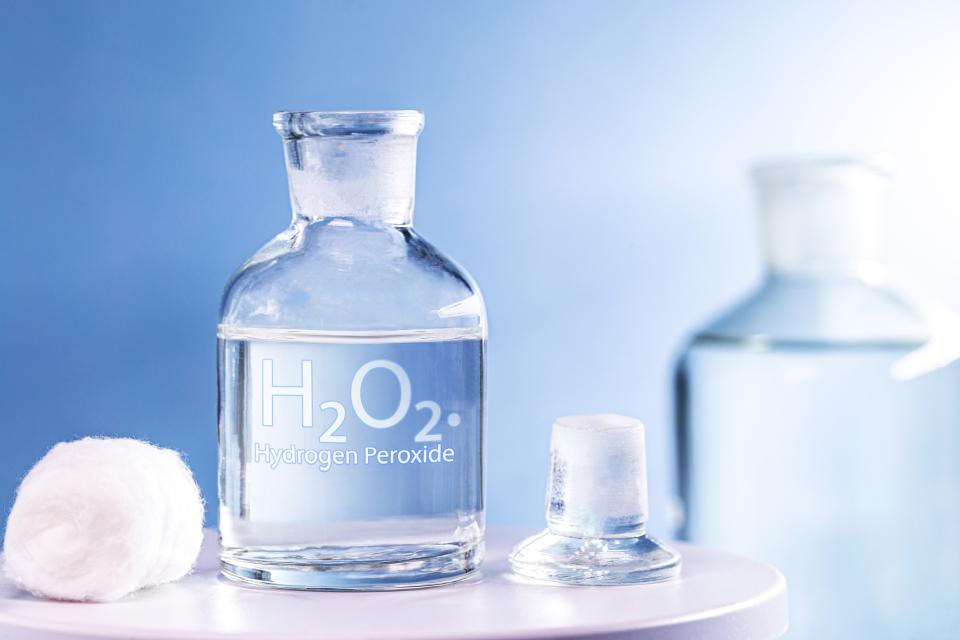
Hydrogen peroxide has strong oxidizing properties. This oxidizing action progressively affects certain metals and polymers over repeated cycles. The reaction depends on the concentration used, the contact time and the number of cycles performed on the same surface. A material that remains stable during a single cycle may deteriorate after several months of regular use, especially in areas where the concentration remains high for longer periods.
Materials sensitive to corrosion under VHP
Three families of materials require particular attention when designing a treated room.
Metals and alloys
Certain untreated metals, such as carbon steel, are highly sensitive to hydrogen peroxide. 316L grade stainless steel offers better resistance to repeated exposure, but its surface condition also influences its durability over time. A polished metal with no surface defects limits the points where corrosion can develop, whereas a scratched or poorly finished surface accelerates the phenomenon.
Polymers and seals
Rubber or elastomer seals can sometimes degrade faster than metal surfaces when exposed to hydrogen peroxide. Choosing a compatible polymer, such as silicone or FKM (Viton), reduces this risk and extends the service life of equipment in the room. Regular visual inspection of these components makes it possible to anticipate their replacement before complete failure.
Coatings and paints
An unsuitable floor coating or paint may discolor or crack after several cycles. An epoxy coating formulated for chemical decontamination offers better resistance to this type of repeated exposure. Ideally, the coating should be selected during the construction or renovation of the room to avoid complete refurbishment after only a few months of use.
Areas most exposed to the risk of corrosion
Certain areas of the room are exposed to higher concentrations than others during a VHP cycle, particularly near the generator's diffusion point. These areas require closer monitoring because they are subject to more frequent and more intense exposure over time. An installation plan that distributes the VHP evenly reduces this risk and limits localized premature wear on certain pieces of equipment.
Compatibility tests to perform before deployment
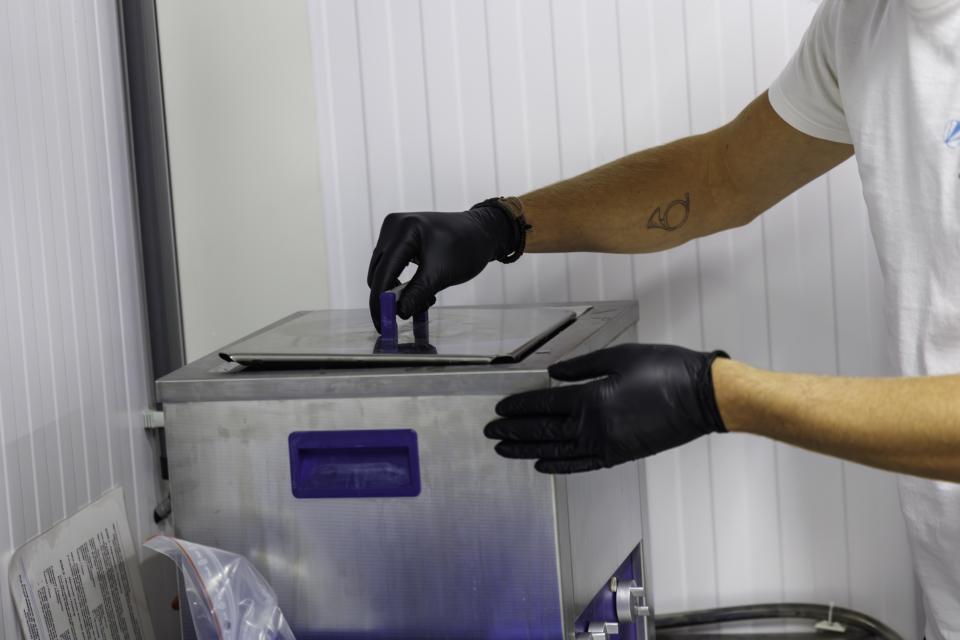
A material compatibility test consists of exposing a representative sample to the planned VHP cycle and then observing its condition after a defined number of repetitions. This test covers several criteria:
- The visual condition of the surface (color, texture, gloss)
- The mechanical strength of the material after exposure
- The absence of detectable residue or chemical degradation
- The behavior of the material in high-concentration areas
- The resistance of assemblies and bonding or welding points
Best practices for limiting corrosion
A preventive maintenance plan limits the impact of VHP on sensitive materials in the room. This plan covers regular inspection of exposed surfaces, periodic replacement of seals and monitoring of risk areas identified during the initial audit. Appropriate cleaning after each cycle also reduces the accumulation of residues on surfaces and limits the points where corrosion can begin.
Recommended inspection frequency according to material type
The frequency of inspections varies according to the type of material and its level of exposure to the VHP cycle. Seals and polymers, which are more sensitive, require inspection every three to six months at a site operating at a sustained rate. Treated metal surfaces can be inspected at longer intervals, often annually, unless visible signs of degradation appear. A customized inspection plan, developed with the technical team, adapts this frequency to the specific conditions of each site and its cycle history.
Experience feedback: Common mistakes to avoid
Some sites choose a standard material without prior testing, exposing the installation to a risk of premature corrosion. Others neglect to inspect areas close to the diffusion point, which are more exposed than the rest of the room. Another common issue is the late replacement of seals, carried out only after a leak has been detected rather than as a preventive measure. These three mistakes can easily be corrected with a structured maintenance plan implemented as soon as the installation is commissioned.
Solidfog's role in selecting compatible materials
Solidfog advises its customers on the choice of materials from the design stage of a room or equipment intended to accommodate a VHP system. This approach limits the risk of corrosion and reduces long-term maintenance costs. The technical team draws on several years of experience installing systems in pharmaceutical and hospital environments, across a wide range of sectors and room configurations.