
The cycle time of a VHP system directly affects the availability of the treated room. Two phases have a particularly significant impact on this duration: aeration and the neutralization of residual hydrogen peroxide. On a high-throughput site, saving a few minutes on each cycle represents a measurable capacity gain over a full year. Optimizing these phases reduces the downtime of the area without compromising the level of decontamination achieved. This article presents the factors that influence cycle duration and the available ways to reduce it.
Understanding the phases of a VHP cycle
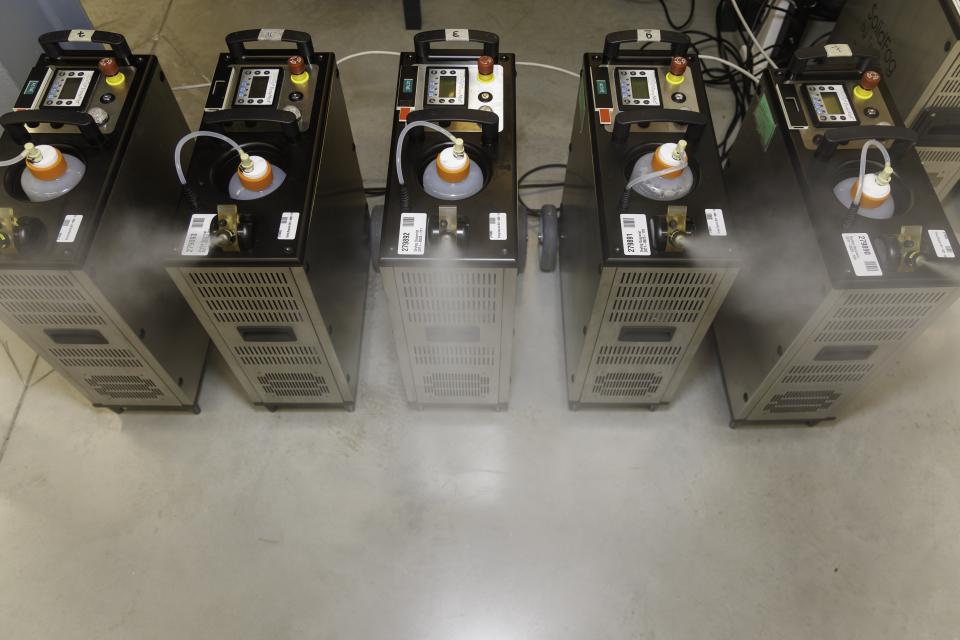
A VHP cycle is divided into several successive phases: room conditioning, hydrogen peroxide diffusion, concentration maintenance, aeration and final neutralization. Each phase has a specific objective and contributes to the overall result of the cycle. The total duration depends on the relative weight of each of these phases, and the last two often represent the longest part of the complete process.
Factors that influence cycle duration
Three parameters affect the total duration of a VHP cycle.
The volume and configuration of the area
A large volume requires longer diffusion and aeration times than a small area. The configuration of the room also plays a role: a cluttered or compartmentalized space slows air circulation and extends the aeration phase. A room with numerous corners and recesses requires particular attention when calculating the cycle time.
Hydrogen peroxide concentration
A high concentration reduces the contact time required to achieve the targeted level of decontamination, but it extends the neutralization phase at the end of the cycle. Setting this parameter requires a balance between effectiveness and the total duration of the process, specific to each room configuration.
The neutralization system used
The chosen neutralization method (catalytic, forced ventilation or a combination of both) has a direct effect on how quickly the hydrogen peroxide concentration in the air returns to a safe level. A catalytic neutralization system reduces this time compared with simple passive aeration, particularly in large volumes where natural dilution takes longer.
Ways to reduce aeration time
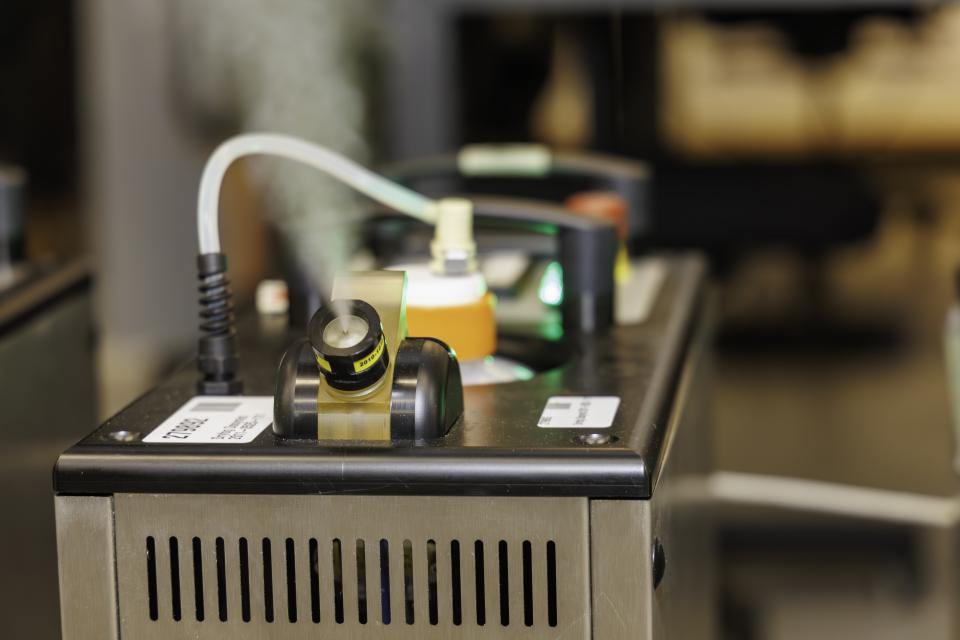
Several actions can reduce the duration of the aeration phase:
- Precise sizing of the room ventilation system
- Optimal distribution of air diffusion and extraction points
- An airflow rate calculated according to the actual volume of the treated area
- Continuous monitoring of the residual concentration throughout the aeration phase
- An airflow plan that avoids dead zones within the room
Ways to accelerate neutralization
Catalytic neutralization remains the most direct way to reduce this phase. A dedicated module converts residual hydrogen peroxide into water and oxygen without waiting for natural dilution in the air. The positioning of this module within the room also optimizes the neutralization rate achieved, as does appropriate sizing according to the actual volume of the area.
Measuring cycle time to identify areas for improvement
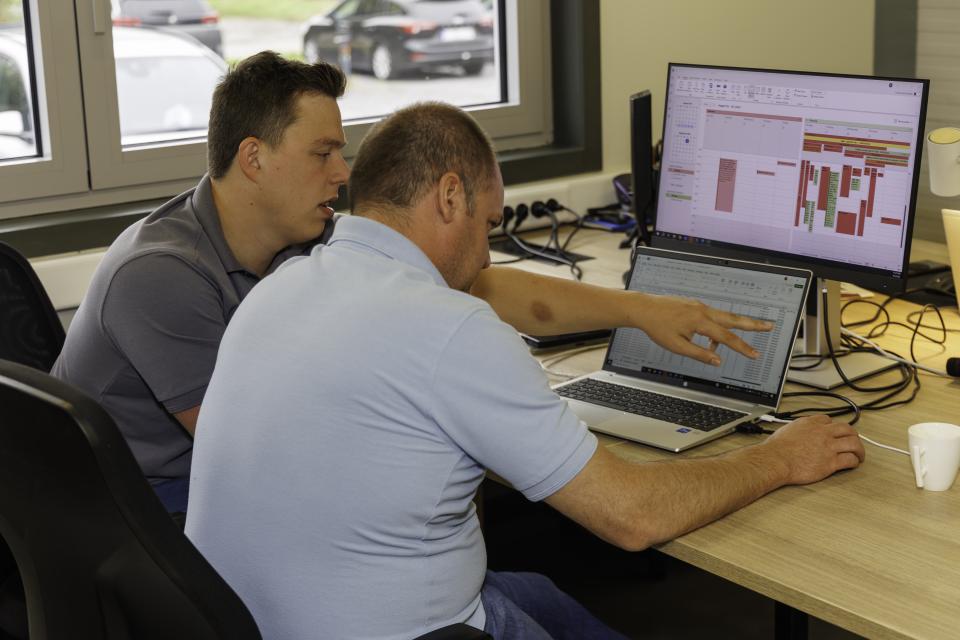
Regular monitoring of the duration of each phase makes it possible to identify areas for improvement at a given site. This monitoring is based on concentration data recorded by the generator during the cycle. A comparison between several areas of the site can sometimes reveal performance differences related to the room configuration rather than to the generator settings themselves.
Standard cycle and optimized cycle: A comparison
A standard cycle that has not been adjusted to the room configuration may sometimes exceed the time actually required to achieve the targeted level of decontamination. An optimized cycle, calibrated according to the exact volume of the area and the neutralization system in place, reduces this time without changing the final result. On a site that performs several cycles per day, this difference represents a significant cumulative time saving over a week of production. Moving from a standard cycle to an optimized cycle requires a new qualification phase to validate the result obtained.
Monitoring an optimized cycle over time
An optimized cycle requires regular monitoring to remain reliable after several months of use. Seal wear, changes to the ventilation system or modifications to the room layout can alter the actual cycle duration. Periodic checks make it possible to readjust the parameters and maintain the time savings initially achieved. These periodic checks are based on the same concentration data collected during the initial qualification, making comparison over time easier.
The benefits of an optimized cycle for productivity
A shorter cycle makes the treated area available more quickly for production to resume. This reduction in downtime translates into increased capacity on manufacturing lines and lower costs associated with site shutdowns. A properly configured cycle remains compliant with EN 17272 and reduces its impact on the site's production rate.
Solidfog expertise for optimizing your cycles
Solidfog adjusts the parameters of each cycle according to the actual room configuration and the customer's production constraints. This customized approach reduces cycle time without compromising the required level of decontamination. The technical team can also review existing cycles on request to identify areas for improvement on installations already in operation.