
A VHP cycle requires a closed and airtight room. The hydrogen peroxide concentration must remain stable from the beginning to the end of the process to guarantee the targeted log reduction. A sealing defect compromises the cycle result and delays the return of the area to service. This risk applies to both a small laboratory and a complete aseptic manufacturing line. This article details the control points to check before installing a VHP system, the leak testing method and best practices for securing your premises over the long term.
Why sealing determines the effectiveness of a VHP cycle
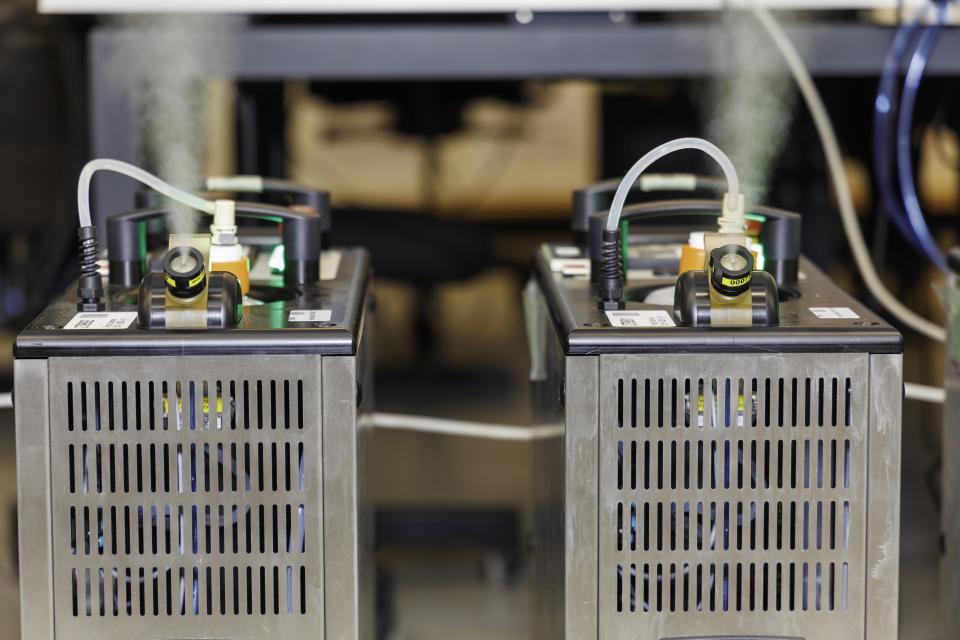
The diffusion of vaporized hydrogen peroxide follows a precise calculation based on the volume of the treated area. An air leak alters this actual volume and reduces the concentration reached in certain areas of the room. The cycle then loses effectiveness and the targeted decontamination level (LOG6) is no longer guaranteed across the entire treated surface. Checking the sealing beforehand helps avoid this risk, secures cycle validation and limits discrepancies between areas close to the generator and those located furthest away.
Control points before installing a VHP system
Several areas of the room require specific checks before commissioning a VHP generator.
Doors, seals and openings
The doors of the treated room must close with a continuous seal around the entire perimeter. A worn, cracked or incorrectly positioned seal allows air to escape and compromises the required containment. The technical team also checks windows, access hatches, viewing windows and inspection ports located within the area. A simple closing defect on a secondary door is enough to reduce the overall concentration during the cycle.
Ventilation ducts and suspended ceilings
Ventilation ducts are a frequent leakage point during a VHP cycle. They must be equipped with isolation dampers that remain closed throughout the process, with a visual check to ensure they are operating correctly. Suspended ceilings must also be checked, as their structure can conceal gaps that are not visible to the naked eye. Accurately identifying these areas helps avoid unexpected issues during the first leak test.
Cable penetrations and technical ducts
Every cable or pipe passage through a room wall represents a potential leakage risk. Appropriate sealing closes these penetration points without compromising the technical access required for maintenance. Floor access points and technical hatches undergo the same checks, as they are often overlooked during an initial installation.
Leak testing: method and objectives
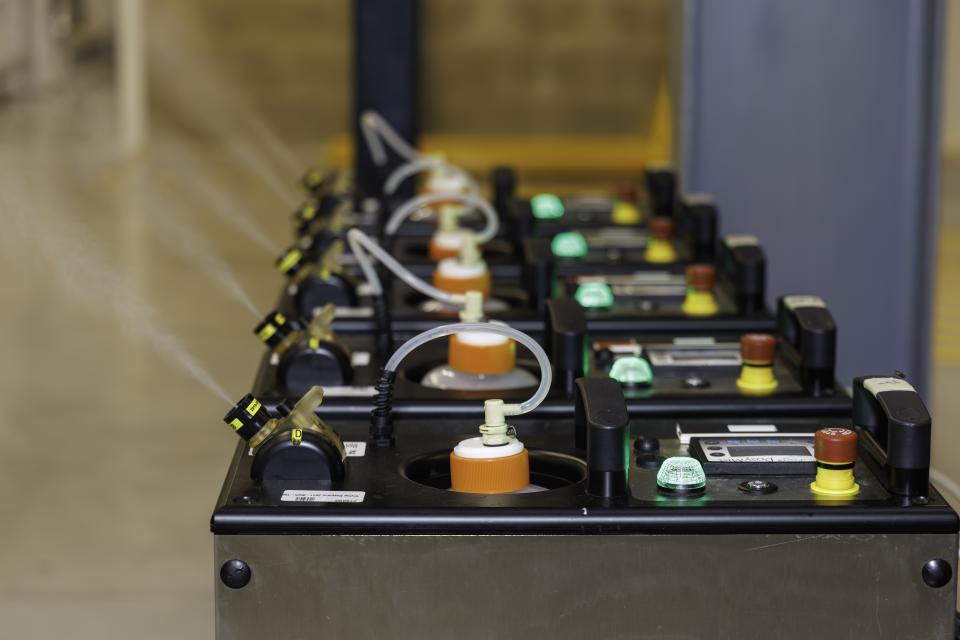
A leak test is carried out before the VHP generator is commissioned for the first time. This step consists of measuring the room's pressure loss over a fixed period, generally after controlled pressurization. The result determines whether the area meets the required sealing threshold for the planned cycle. If the test fails, the technical team locates the leakage points using a tracer fluid or acoustic testing, then corrects the defects before repeating the test. This check is repeated at regular intervals to monitor changes in the building over time.
The consequences of a sealing defect on the cycle
A poorly sealed room has several negative effects on the decontamination process:
- An uneven hydrogen peroxide concentration throughout the treated volume
- A longer cycle time to compensate for product loss
- A risk of exposure for personnel located near the room
- Non-compliance of the qualification report with EN 17272
- Additional costs associated with repeating the cycle and keeping the area out of service
Best practices for securing your premises over the long term
A regular inspection plan limits the risk of sealing points deteriorating over time. This plan covers periodic inspection of seals, verification of ventilation dampers and monitoring of maintenance work carried out in the room. A documented history also facilitates regulatory audits of the site and the presentation of the qualification file to the competent authorities. A dedicated checklist, completed before each cycle, reduces the risk of overlooking common control points.
Sealing and cycle frequency: a direct link
A room subjected to frequent cycles experiences faster wear of its sealing points. Door seals, in particular, lose their elasticity after a high number of opening and closing operations. A preventive replacement plan based on the number of cycles performed reduces the risk of sealing defects over the long term and ensures the reproducibility of the results obtained.
Documentation and traceability of sealing checks
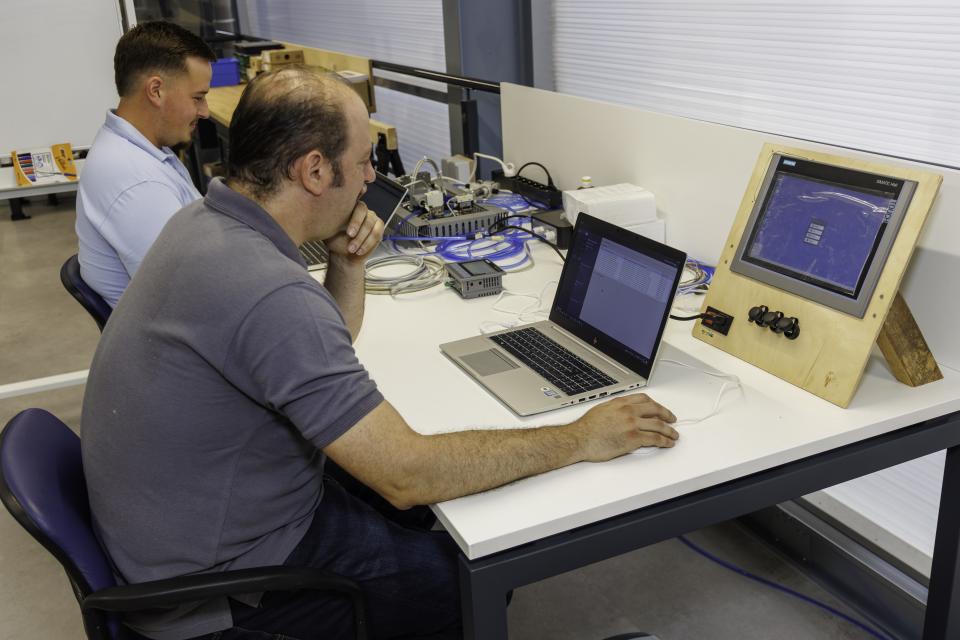
Each sealing check is documented in a report dated and signed by the technician responsible for the intervention. This report specifies the method used, the result obtained and the corrections made if necessary. A complete traceability file brings together all these reports throughout the lifetime of the installation. This file facilitates the preparation of internal and external audits and demonstrates control of the decontamination process to the competent authorities.
Solidfog support for preparing your premises
Solidfog carries out a technical audit of the room before each VHP generator installation. This audit identifies potential leakage points and recommends the necessary corrections before the project begins. The technical team also supports the customer during the leak test and initial cycle qualification, and remains available for subsequent periodic checks.