
The concentrated hydrogen peroxide used in a VHP system presents a real chemical risk to operators. Its handling, storage and transfer require strict procedures and appropriate protective equipment. This risk applies both to the installation of a new system and to routine refilling operations at an already equipped site. This article presents the risks associated with the product, the required personal protective equipment and the measures to take in the event of an incident on site.
Risks associated with concentrated hydrogen peroxide
High-concentration hydrogen peroxide causes chemical burns when it comes into contact with the skin or eyes. Inhalation irritates the respiratory tract and can cause injury in the event of prolonged exposure to high concentrations. The product also presents a risk of reaction when it comes into contact with incompatible materials, with a risk of fire under certain conditions. Understanding these risks is the first step before handling the product on site. An initial assessment of the risk level, specific to each workstation, guides the choice of protective equipment and procedures to be implemented.
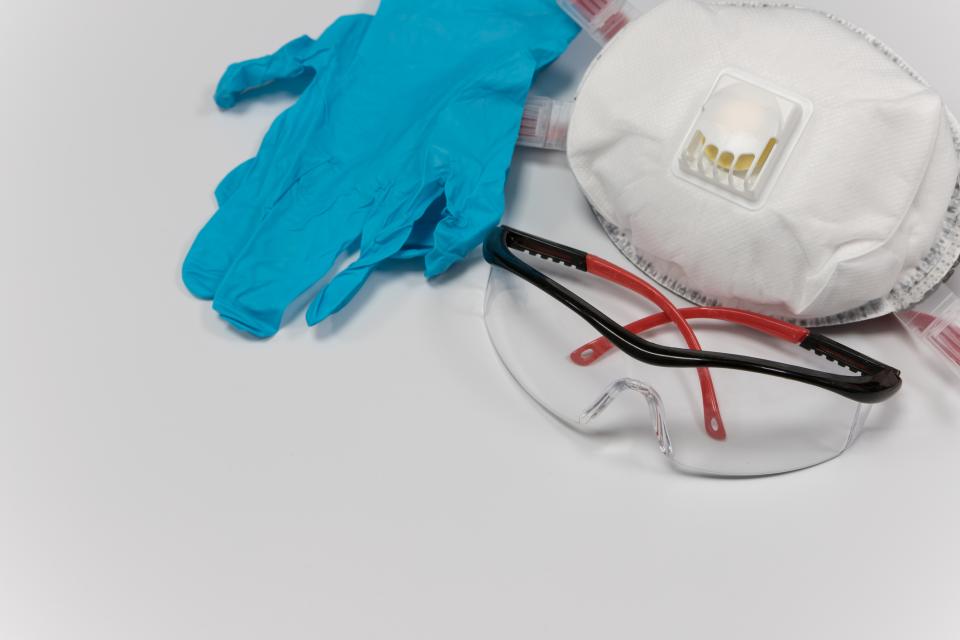
Required personal protective equipment
Handling concentrated hydrogen peroxide requires complete protective equipment:
- Gloves resistant to concentrated hydrogen peroxide
- Sealed safety goggles or a face shield
- A lab coat or protective suit resistant to chemical splashes
- Appropriate respiratory protection according to the expected level of exposure
- Chemical-resistant safety footwear
Handling and storage procedures
Three key stages structure product management on site: storage, transfer and residue management.
Hydrogen peroxide storage
The product must be stored in a ventilated area, away from heat sources and combustible materials. A secondary containment system limits the risk of spreading in the event of a container leak. The storage temperature must follow the supplier's recommendations to prevent premature decomposition of the product. Restricting access to trained personnel also reduces the risk of handling by unauthorized individuals. Regular visual inspection of the container makes it possible to detect any signs of deterioration before they become a real risk to the site.
Product handling and transfer
The transfer of hydrogen peroxide between containers follows a defined procedure carried out by a trained and properly equipped operator. A dedicated transfer station reduces the risk of splashes or spills during the operation. A safety shower and eyewash station must remain accessible in the immediate vicinity of this workstation.
Waste and residue management
Hydrogen peroxide residues and empty containers must follow a waste treatment process suitable for this type of chemical product. Specific waste separation prevents contact with incompatible waste, such as organic materials or solvents. A waste tracking register also facilitates the traceability required during regulatory audits.

Measures to take in the event of a leak or exposure
Each site must define a clear procedure in the event of a leak, splash or accidental exposure. This procedure covers evacuation of the area, immediate rinsing in the event of skin or eye contact, and alerting emergency services if necessary. An emergency rinsing station must remain accessible near each handling area. Clearly displayed instructions reduce response time in a real emergency.
Regulations and safety data sheets
Concentrated hydrogen peroxide is subject to strict regulations regarding its transport, storage and labeling. The product's safety data sheet (SDS) specifies the hazard thresholds, first-aid measures and storage conditions recommended by the supplier. This document must remain permanently accessible at the workstation, near the storage area and transfer station. Each site must also adapt its occupational risk assessment documentation to include the specific hazards associated with concentrated hydrogen peroxide.
Safety audits and continuous improvement
Regular audits of handling stations make it possible to verify that the procedures defined on site are being correctly applied. These audits cover the inspection of personal protective equipment, the condition of emergency rinsing stations and the updating of personnel training. Any non-conformities identified result in a corrective action plan that is monitored until fully completed. This continuous improvement approach progressively reduces the number of incidents related to product handling on site.
Personnel training: A cornerstone of safety
Each operator required to handle the product receives dedicated training on the risks associated with hydrogen peroxide and the actions to take in an emergency. This training also covers the correct use of protective equipment and site-specific storage rules. Regular refresher training maintains team awareness over the long term, particularly at sites with high staff turnover.
Solidfog support for securing your operations
Solidfog provides comprehensive technical documentation on the handling of hydrogen peroxide used in its systems. The technical team also advises sites on the organization of product storage and transfer stations. This support covers the definition of internal procedures, personnel preparation for emergency situations and the selection of protective equipment suited to each site configuration.