
Vaporized hydrogen peroxide (VHP) has become a reference solution for surface decontamination in pharmaceutical and hospital environments. Its integration into an industrial facility requires a precise method and a thorough understanding of the site's technical constraints. This guide presents the key stages of a successful VHP project, from the initial audit of the premises through to validation of the decontamination cycle. It also covers the requirements of EN 17272 and the GMP criteria applicable to this type of industrial installation.
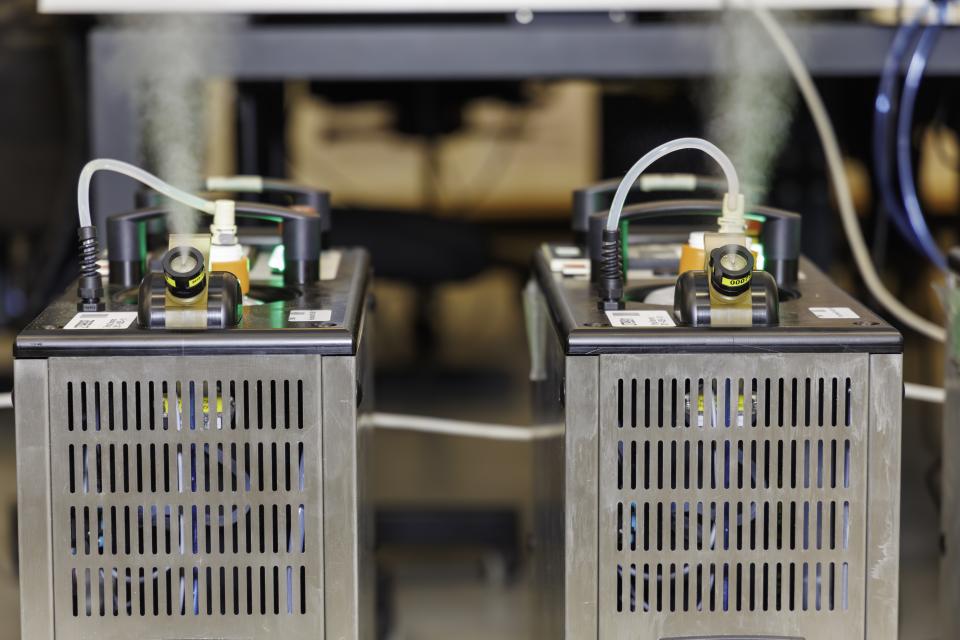
What is a VHP system?
A VHP system generates vaporized hydrogen peroxide and diffuses it into an enclosed space. The molecule acts as a biodecontamination agent and destroys microorganisms present on treated surfaces. The process differs from formaldehyde fumigation due to its rapid neutralization and the absence of toxic residues at the end of the cycle.
A VHP generator consists of several components:
- A hydrogen peroxide vaporization unit
- A diffusion system within the treated volume
- Real-time concentration sensors
- A neutralization module at the end of the cycle
The stages of VHP system integration in an industrial environment
The integration of a VHP system follows a structured method. Each stage determines the reliability of the cycle and the regulatory compliance of the installation.
Site audit and needs analysis
The technical team assesses the volume to be treated, the nature of the surfaces and the site's constraints. This analysis determines the required generator capacity and the diffusion method suited to the configuration of the premises. It also identifies sensitive areas of the building: ventilation ducts, suspended ceilings and cable penetrations.
Selecting the VHP generator
The choice of model depends on the volume of the area, the frequency of the cycles and the desired level of automation. A small laboratory does not have the same requirements as a large-scale aseptic manufacturing line. The Solidfog range covers these different needs, from the compact DosyMist® to the DosyMist XL® for large volumes.
Cycle qualification and validation
Operational qualification (OQ) and performance qualification (PQ) validate the effectiveness of the cycle on site. These stages ensure a log reduction compliant with EN 17272 (LOG6) and document the traceability required by 21 CFR Part 11. A complete qualification report facilitates subsequent regulatory audits.
Sealing and containment: A prerequisite before installation
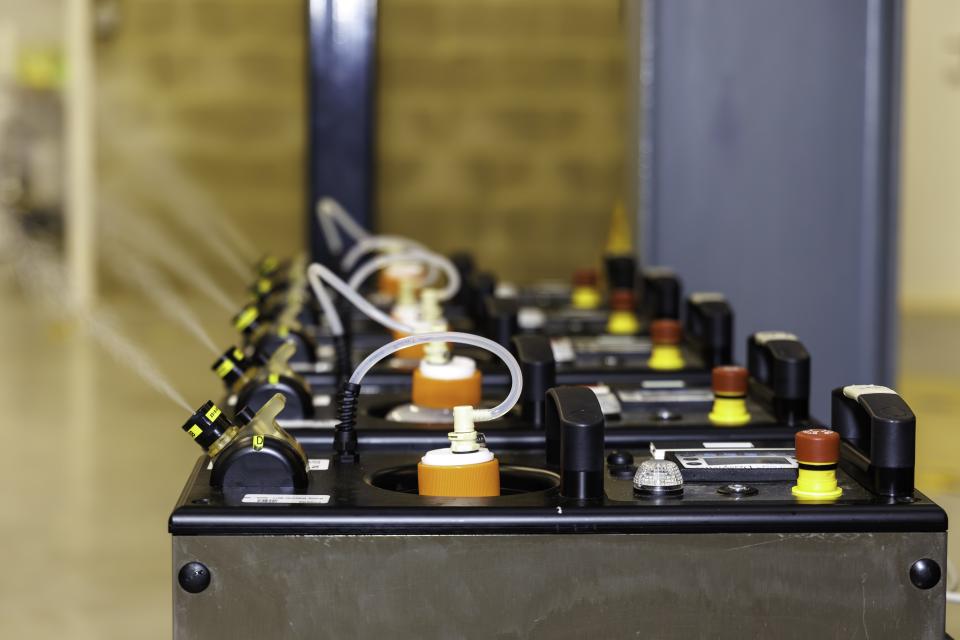
The treated room must remain airtight throughout the decontamination cycle. An air leak compromises the hydrogen peroxide concentration and affects the cycle result. The technical team checks door seals, ventilation ducts and cable penetration points before each installation. A leak test is systematically carried out before the generator is commissioned for the first time.
Our dedicated article details the control points to check to secure your premises before a VHP cycle.
OEM integration into isolators and transfer hatches
A VHP generator can be connected directly to an isolator or transfer hatch already installed on site. This OEM integration requires a technical interface compatible with the customer's equipment and synchronized control between the two systems. The Solidfog OEM Kit is designed for this configuration and connects to the site's PLCs without requiring major modifications to the installation.
To explore this topic in more detail, read our dedicated page on OEM integration into isolators and transfer hatches.
Material compatibility with hydrogen peroxide
Hydrogen peroxide reacts differently depending on the type of materials present in the treated area. Certain metals and polymers have poor resistance to repeated exposure and may present a risk of corrosion over the medium term. A compatibility test carried out before the project begins limits this risk and extends the service life of the site's equipment.
Our article on VHP material compatibility details the precautions to take to prevent corrosion.
VHP cycle optimization: Aeration and neutralization
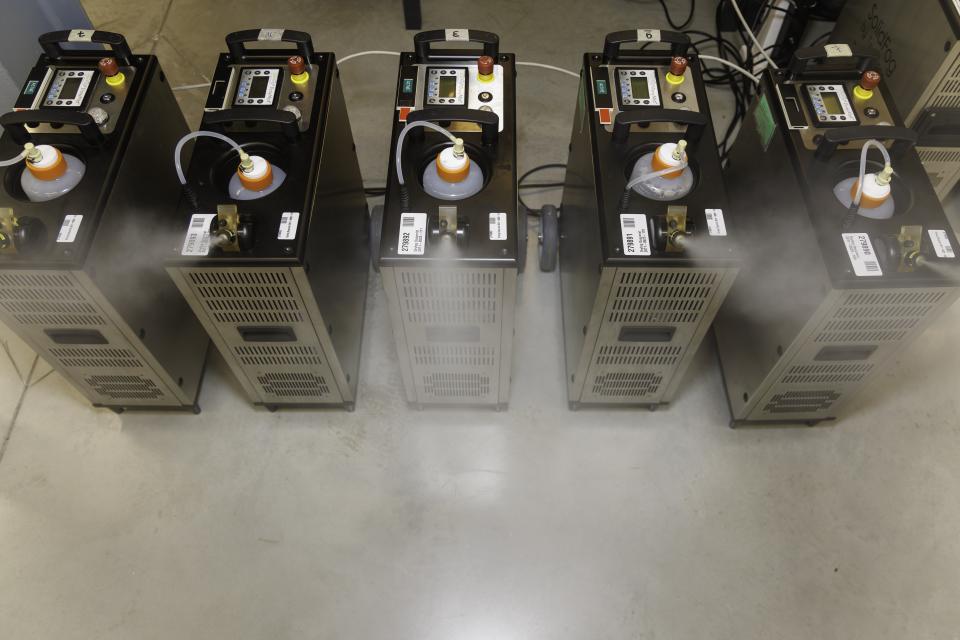
Cycle time directly affects site productivity. Two phases have a significant impact on this duration: aeration and the neutralization of residual hydrogen peroxide. Precise generator sizing and fine-tuning of the diffusion parameters reduce this time without reducing decontamination effectiveness.
Our dedicated article presents the available options for optimizing the VHP cycle according to your site configuration.
Safety and handling of hydrogen peroxide in industrial environments
Concentrated hydrogen peroxide presents a chemical risk to operators. Its handling requires strict procedures, appropriate personal protective equipment and regular personnel training. Each site must define clear instructions in the event of a leak or accidental exposure. Our article on the safety and handling of hydrogen peroxide in industrial environments presents the best practices to apply on site.
Regulatory compliance: EN 17272 and GMP requirements
EN 17272:2020 defines the performance criteria for airborne room disinfection processes. It requires a 6-log reduction (LOG6) for reference microorganisms. Pharmaceutical sites must also comply with GMP requirements and 21 CFR Part 11 regarding the integrity of data generated during the cycle. Complete process documentation facilitates regulatory audits and inspections by the competent authorities.
Why choose Solidfog for your VHP system integration
Solidfog develops, manufactures and validates its VHP generators in-house. This approach ensures complete project traceability, from design through to on-site qualification. The technical team supports each customer from the initial audit through to operator training. Solidfog also provides consulting, maintenance and calibration services to ensure long-term system reliability.
Contact our team to discuss your VHP integration project and receive an assessment tailored to your site.