
Airborne surface disinfection (DSVA) is a method used for terminal decontamination of controlled environments. It consists of diffusing a disinfecting agent into a closed volume in order to treat the surfaces present in the area.
DSVA is used in environments where microbiological control is essential, particularly in cleanrooms, laboratories and pharmaceutical facilities. DSVA systems automate decontamination cycles and ensure controlled diffusion of the agent used.
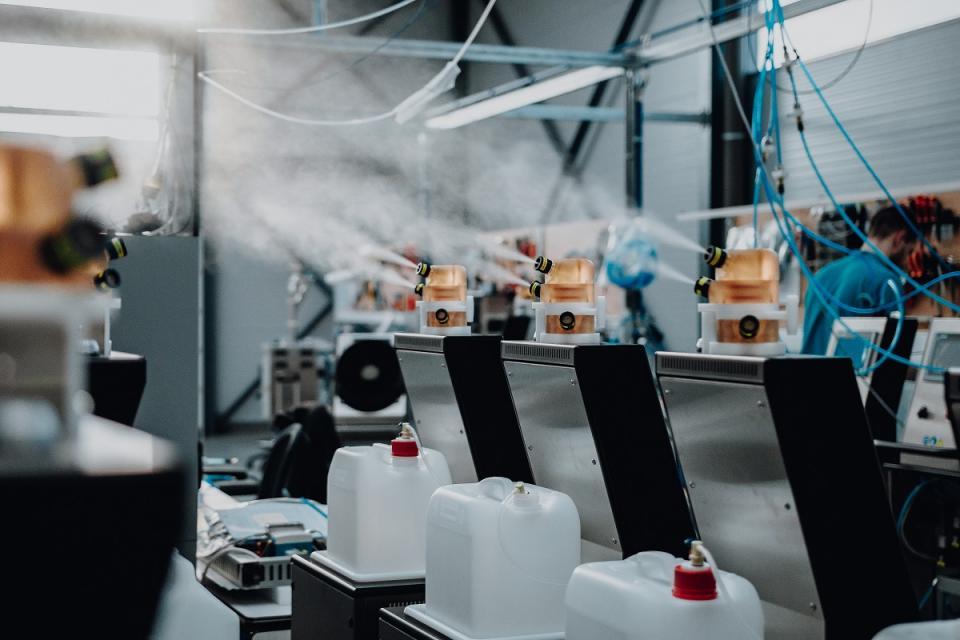
What is airborne surface disinfection (DSVA)?
Airborne surface disinfection is a decontamination process that diffuses a biocidal agent in the form of fog or vapor within a closed space. The objective is to reduce microbiological contamination present on surfaces in a given area.
Airborne diffusion makes it possible to treat the entire volume and reach surfaces that are not accessible during conventional cleaning. DSVA generally takes place as a terminal decontamination step after cleaning operations and before the return to service of a controlled environment.
How does DSVA work?
A DSVA system performs a decontamination cycle within a closed volume. The process diffuses a disinfecting agent into the air in order to treat the surfaces present in the area.
Steps of a DSVA cycle and key parameters
A DSVA cycle follows several stages that make it possible to treat a closed volume under controlled conditions. These stages rely on the diffusion of the agent used, the contact time and the aeration phase.
Several parameters influence the cycle, including the volume of the area, environmental conditions and the characteristics of the system used. These elements must be controlled to ensure process reproducibility.
DSVA with hydrogen peroxide (VH₂O₂)
Hydrogen peroxide is an agent used in certain DSVA processes. It can be diffused as vapor or dry fog in order to treat the surfaces of a closed environment.
Principles and effectiveness of DSVA with hydrogen peroxide
DSVA with hydrogen peroxide relies on controlled diffusion of the agent within the volume to be treated. The process makes it possible to cover the surfaces present in the area and complement cleaning operations.
This technology is used in different controlled environments where contamination control is essential. Diffusion parameters and cycle conditions influence the effectiveness of the treatment.
Learn more about DSVA with VH₂O₂
DSVA validation
DSVA processes must be validated in order to demonstrate their effectiveness in the relevant environments. Validation ensures that the method meets the defined requirements for surface treatment.
EN 17272 standard, biological indicators and traceability
DSVA validation may rely on the EN 17272 standard, which concerns airborne disinfection processes. This approach makes it possible to evaluate the effectiveness of the process under defined conditions.
Biological indicators and testing protocols may be used to verify cycle performance. Traceability of operations and documentation of cycles are also important elements.
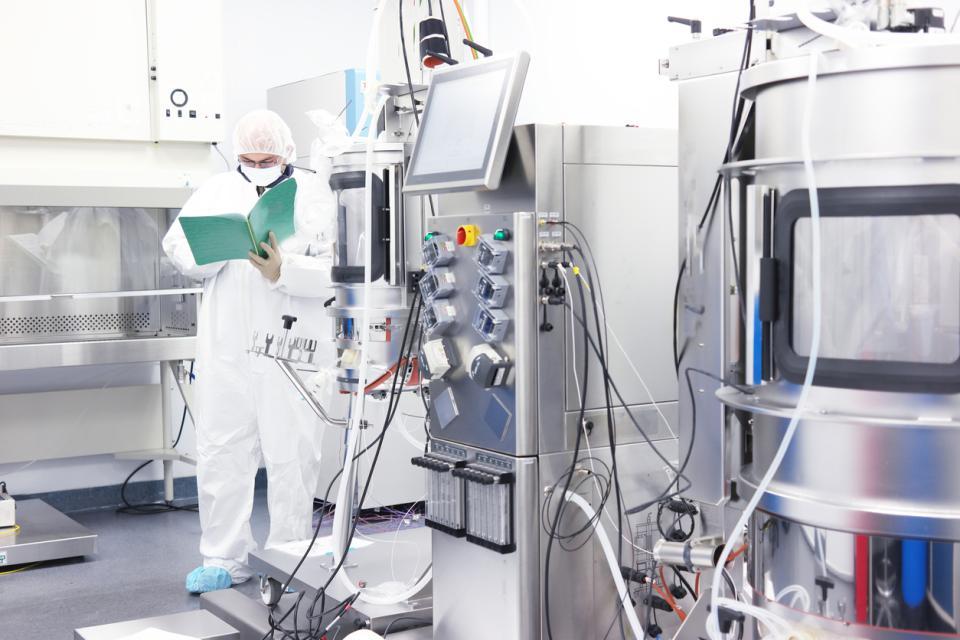
DSVA applications
DSVA is used in several sectors where microbiological contamination control is essential. The method makes it possible to treat closed volumes and complement cleaning operations.
Use of DSVA in cleanrooms, laboratories and pharmaceutical environments
DSVA is used in cleanrooms, laboratories and the pharmaceutical industry. In these environments, terminal decontamination helps reduce microbiological contamination on surfaces.
The method may also be used in certain hospital environments where hygiene requirements are high. It integrates into microbiological control strategies implemented on site.
How to choose a DSVA system?
Choosing a DSVA system depends on several criteria related to the environment to be treated. The volume of the room and the characteristics of the area influence the configuration of the process.
Criteria for choosing a DSVA system
Several parameters must be analyzed to select an appropriate system. The volume to be treated, the sealing of the area and the level of automation influence the configuration of the installation.
Documentation and traceability of cycles may also play an important role in certain sectors. These elements help integrate DSVA into established decontamination procedures.
Learn more about choosing a DSVA system
Need a DSVA decontamination solution?
DSVA is a method used for terminal decontamination of controlled environments. It complements cleaning procedures and contributes to contamination control strategies.
Solidfog solutions address the needs of environments where microbiological requirements are high.