
VHP, or vaporised hydrogen peroxide, decontaminates the surfaces of rooms or equipment through airborne application. Pharmaceutical manufacturers, hospitals and laboratories use this technology to control microbial contamination. This guide explores VHP from six perspectives: terminology, generator operation, its action against microorganisms, validation, applications and comparison with other methods. Each topic links to a dedicated article covering the subject in greater detail.
Why VHP is becoming a preferred method for surface decontamination
Regulated facilities require three essential qualities from a decontamination method: reproducibility, documentation and validation. VHP meets these requirements because the generator controls each cycle parameter and records the data.
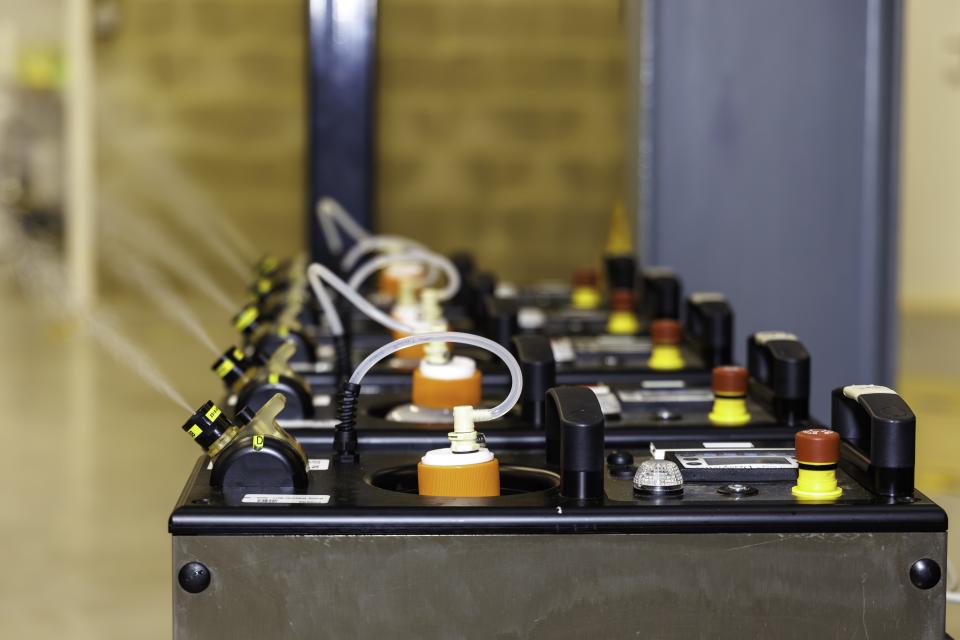
The cycle takes place without personnel present, eliminating operator-related variability. The hydrogen peroxide breaks down at the end of the cycle, allowing operations to resume without toxic residues on surfaces. These advantages explain the widespread use of VHP in isolators, cleanrooms and hospital environments. Facilities replacing manual methods or formaldehyde fumigation benefit from an automated, monitored and traceable process.
VHP terminology: acronyms and definitions
Technical datasheets, standards and scientific publications use several acronyms to describe the same process. VHP, VH₂O₂ and HPV refer to the same vapour, while airborne surface disinfection (ASD) refers to the broader category of processes used to disinfect surfaces through airborne application. The terminology also covers levels of antimicrobial activity, measurement units, equipment and regulatory terms. Our VHP glossary defines these terms individually and helps prevent confusion when preparing technical specifications.
How a VHP generator works
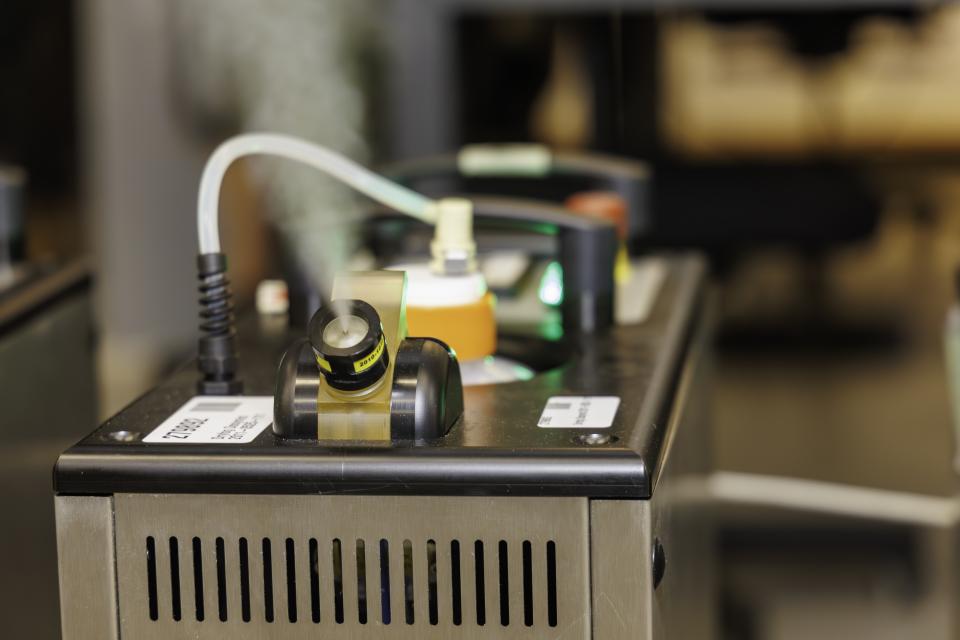
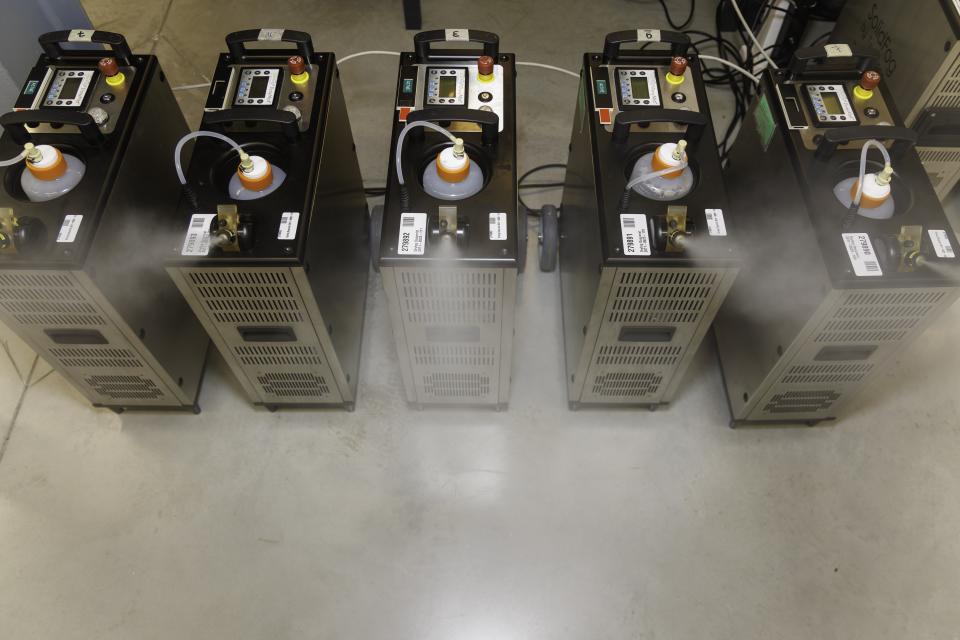
A VHP generator vaporises an aqueous hydrogen peroxide solution, distributes the vapour throughout the enclosed space and then removes the residual hydrogen peroxide. A cycle consists of four phases: conditioning, injection, dwell and aeration. Concentration, temperature and humidity sensors control the sequence. Our article on how a VHP generator works describes the equipment components, the two vapour operating regimes and dedicated, mobile and centralised system configurations.
VHP effectiveness against microorganisms
Hydrogen peroxide acts through oxidation, targeting the proteins, lipids and genetic material of microorganisms. Its antimicrobial activity covers bacteria, mycobacteria, viruses, fungi and bacterial spores. Spores are used as a reference because they require the highest vapour dose. Our article on the biocidal efficacy of VHP explains the mechanism of action, spectrum of activity and factors that influence results under real-world conditions.
VHP cycle validation
A VHP cycle requires measurable evidence of effectiveness. The EN 17272 standard describes distribution and efficacy tests for airborne surface disinfection processes. The pharmaceutical industry supplements this framework with 6-log reduction validation using biological indicators and data traceability compliant with 21 CFR Part 11. Our article on EN 17272 and 6-log reduction explains the qualification methodology, from room mapping to audit documentation.
VHP applications by industry
VHP is used to decontaminate isolators, cleanrooms and transfer airlocks in the pharmaceutical industry. Hospitals apply it in isolation rooms, operating theatres and hospital pharmacies, while laboratories use it in containment enclosures and animal facilities. Our article on VHP applications in pharmaceutical facilities, hospitals and laboratories describes the situations that require a decontamination cycle and the appropriate frequency for each application.
VHP compared with other decontamination methods
VHP has replaced formaldehyde at many pharmaceutical facilities. Ozone, fogged peracetic acid, chlorine dioxide and UV-C are alternative options, each with their own limitations. Our comparison of VHP, formaldehyde, ozone and peracetic acid evaluates these methods against six criteria and outlines the limitations of VHP. It also explains the differences between vapour, fogging and spraying.
Key questions to define a VHP project
Six questions help clarify requirements before requesting a proposal:
- What volume or equipment needs to be decontaminated?
- Which groups of microorganisms need to be targeted?
- How frequently does the facility plan to run decontamination cycles?
- Which regulatory framework applies to the area?
- Does the facility prefer to own the equipment or use a service provider?
- What documentation must the facility produce for audits?
The answers to these questions form the basis of the technical specifications and guide the selection of the appropriate system.
How to start a VHP project
A VHP project follows five stages, from defining requirements to routine operation:
- Define the volume to be treated, the target microorganisms and the frequency of decontamination cycles
- Prepare a User Requirements Specification (URS) establishing the acceptance criteria
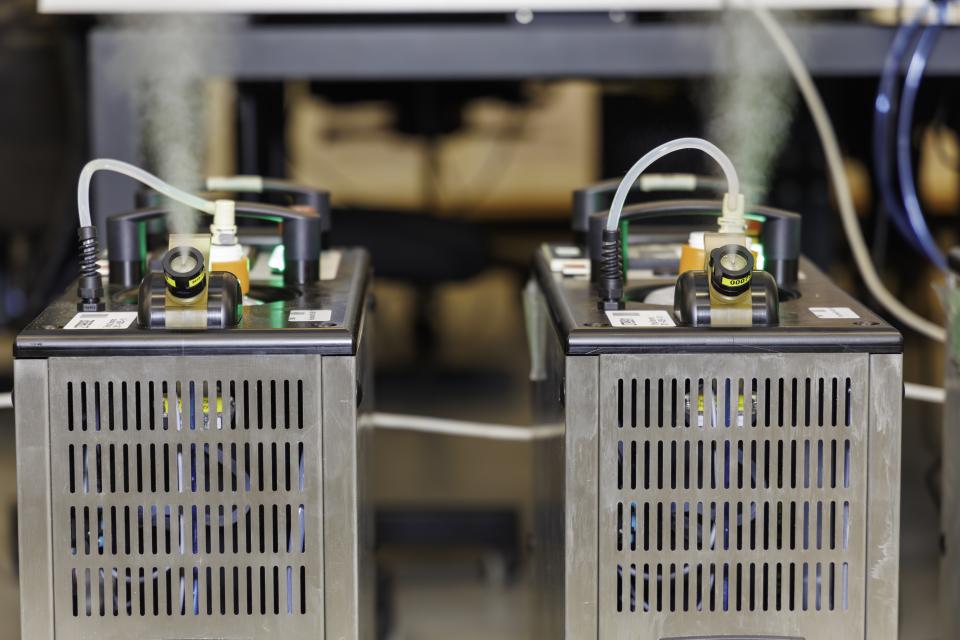
- Select the appropriate generator: dedicated, mobile, centralised or OEM-integrated
- Qualify the cycle using biological indicators and compile the validation documentation
- Train operators and schedule maintenance and requalification
An initial site audit complements these stages and identifies the specific constraints of each room.
Solidfog's H₂O₂ biodecontamination systems
Solidfog Technologies, a Belgian company based in Ciney, designs, manufactures and validates its H₂O₂ biodecontamination systems in-house. The DosyMist® range includes DosyMist®, DosyMist CS®, DosyMist XL® and DosyMist Centralisé Mobile®, while the OEM Kit integrates the technology into third-party equipment. The product range is complemented by services including turnkey decontamination, consultancy, maintenance and calibration.
Contact our team to identify the VHP solution best suited to your facility.